Hot vs Cold Leads: Key Differences Explained
Every sales professional knows the feeling: a lead comes in, and within seconds, you have to decide how much time and energy to invest. Some prospects are ready to buy immediately, while others need weeks or months of nurturing. This distinction between hot and cold leads is the foundation of effective lead management. Understanding the difference can transform your sales process, improve conversion rates, and help you allocate resources more efficiently. In this guide, we break down what is the difference between hot and cold leads, how to identify each type, and what strategies work best for both.
Defining Hot Leads and Cold Leads
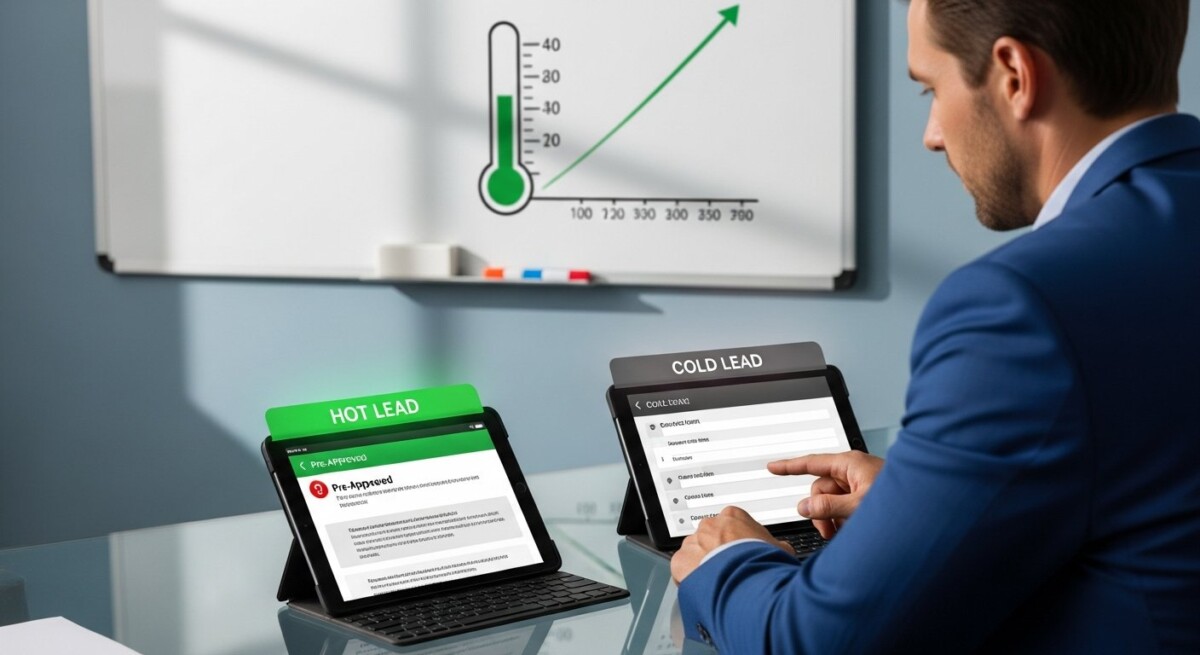
A hot lead is a prospect who has demonstrated strong buying intent and is actively in the market for your product or service. They have usually taken specific actions, such as filling out a contact form, requesting a quote, or calling your sales team directly. For mortgage professionals, a hot lead might be someone who has already submitted a loan application or has been pre-approved. These leads are ready to engage in serious conversation and often have a clear timeline for making a purchase.
A cold lead, on the other hand, is a prospect who fits your target demographic but has not yet expressed immediate interest in buying. They may have visited your website once, downloaded a general guide, or been part of a purchased list. Cold leads require more education, relationship building, and follow-up before they become sales-ready. They are not a bad investment, but they demand a different approach and longer sales cycles.
The core difference lies in intent and timing. Hot leads are further along in the buyer’s journey, while cold leads are at the awareness or consideration stage. Recognizing this helps you tailor your messaging, prioritize your efforts, and set realistic expectations for conversion.
Key Characteristics of Hot Leads
Hot leads share several common traits that make them highly valuable. First, they exhibit urgency. They often have a specific deadline, such as a closing date on a home purchase or a refinance window before rates change. Second, they provide detailed information about their needs. A hot lead might mention the exact loan amount, property type, or credit score range they are working with. Third, they are responsive. They answer calls, reply to emails quickly, and are willing to schedule consultations.
In the mortgage industry, hot leads often come from sources like real estate agent referrals, direct website inquiries, or pay-per-call campaigns. For example, a borrower who calls after seeing a targeted ad for FHA loans and says, “I need to close in 30 days,” is clearly a hot lead. These prospects typically convert at higher rates, sometimes 20-30% or more, depending on the product and follow-up speed.
Another important characteristic is that hot leads are often pre-qualified. They have already passed initial screening, either through an online form or a brief phone conversation. This saves your team significant time on qualification and lets them focus on closing the deal.
How to Identify a Hot Lead
Look for signals such as:
- Specific questions about loan terms, rates, or closing timelines
- Completion of a detailed application or pre-approval form
- Mention of a competing offer or urgency to lock a rate
- Multiple touchpoints within a short period (e.g., called, then emailed, then visited your office)
- Clear budget range and property details
Once you identify these signals, prioritize immediate follow-up. A hot lead that is not contacted within five minutes can lose interest or move to a competitor. Speed is critical.
Key Characteristics of Cold Leads
Cold leads are at the opposite end of the readiness spectrum. They may have shown some initial curiosity but lack the urgency or specific need that defines a hot prospect. Common sources of cold leads include purchased third-party lists, social media followers who liked a post, or people who attended a general webinar without taking further action. These leads often have incomplete data, such as a name and email but no loan amount or property details.
Cold leads require nurturing. They need to be educated about your services, reminded of their pain points, and gradually moved toward a buying decision. For mortgage lenders, a cold lead might be a homeowner who downloaded a guide on “How to Improve Your Credit Score” but has not indicated they want a mortgage. Over time, through email campaigns, retargeting ads, and periodic check-ins, this lead can warm up.
Conversion rates for cold leads are typically lower, often 1-5% over a longer period. However, because they are often cheaper to acquire in bulk, they can still be profitable if managed well with automated systems and consistent follow-up.
Strategies for Warming Cold Leads
Effective cold lead strategies include:
- Automated email drip campaigns that provide value and build trust over weeks or months
- Retargeting ads on social media or search engines to stay top of mind
- Personalized outreach from a sales rep after the lead shows renewed interest (e.g., opens an email or visits the website again)
- Offering free consultations or educational resources that address common objections
Patience is essential. Trying to close a cold lead too quickly can damage the relationship and reduce the chance of future conversion. Instead, focus on creating touchpoints that gradually increase engagement.
Why the Distinction Matters for Sales Strategy
Understanding what is the difference between hot and cold leads directly impacts your sales strategy, resource allocation, and team performance. If you treat all leads the same, you will waste time on prospects who are not ready while neglecting those who are eager to buy. A structured approach ensures that hot leads receive immediate, high-touch attention, while cold leads are nurtured systematically without draining your team’s energy.
For example, a mortgage brokerage might assign hot leads to senior loan officers who can close quickly, while cold leads go into an automated marketing funnel managed by a junior team or a CRM system. This division of labor maximizes efficiency and revenue. It also helps with forecasting: knowing the ratio of hot to cold leads in your pipeline allows you to predict short-term closings versus long-term growth.
Additionally, this distinction influences budgeting. Hot leads often cost more per lead (e.g., pay-per-call or exclusive real-time leads), but they justify the expense with higher conversion rates. Cold leads are cheaper but require ongoing investment in nurturing tools and content. Balancing both types creates a healthy sales pipeline.
Practical Steps to Qualify and Categorize Leads
To effectively separate hot from cold leads, implement a lead scoring system. Assign points based on actions such as:
- Website pages visited (e.g., loan application page = 10 points, blog post = 2 points)
- Form completions (e.g., contact form = 5 points, full application = 20 points)
- Email engagement (e.g., opens = 1 point, clicks = 3 points)
- Phone call duration (e.g., over 5 minutes = 15 points)
Set a threshold. Leads above a certain score are routed to your hot list for immediate action. Those below enter a nurturing sequence. Regularly review and adjust your scoring criteria based on conversion data. For more detailed tactics on handling cold outreach, see our article on 6 Secrets to Cold Calling for Mortgage Agents.
Another effective method is using BANT (Budget, Authority, Need, Timeline) during initial conversations. A lead that has a clear budget, decision-making authority, a specific need, and a timeline under 30 days is almost certainly hot. If any of these elements are missing, the lead is likely cold or lukewarm and requires further qualification.
Common Mistakes When Handling Hot and Cold Leads
One frequent error is over-investing in cold leads at the expense of hot ones. Sales reps sometimes spend hours chasing a cold lead because they feel a personal connection, while a hot lead sits untouched. Set clear rules: hot leads must be contacted within minutes; cold leads follow a scheduled nurture plan. Another mistake is using the same script or email template for both types. Hot leads need a direct, action-oriented message that confirms their readiness and moves them to closing. Cold leads need a softer, educational approach that builds credibility.
Mislabeling leads is also common. A lead that seems cold because they did not answer the phone might actually be a hot lead who is simply busy. Use multiple touchpoints (call, text, email) before assigning a lead to the cold category. Conversely, a lead that seems hot because they filled out a form but fails to respond to follow-ups may actually be a cold lead who was just browsing. Always verify intent through conversation.
Finally, failing to track lead source performance can hurt your strategy. Some sources, like real estate agent referrals, consistently produce hot leads. Others, like generic banner ads, may generate mostly cold traffic. By analyzing source data, you can adjust your marketing spend and focus on channels that deliver the highest quality leads.
Frequently Asked Questions
Can a cold lead become a hot lead?
Yes, absolutely. With consistent nurturing, targeted content, and timely outreach, a cold lead can develop interest and urgency over time. This is why lead scoring and regular follow-up are crucial. Many of your best clients started as cold leads.
How long should I nurture a cold lead before giving up?
There is no universal answer, but a common practice is to nurture for 3-6 months with periodic touches. If a lead shows no engagement after that period, consider moving them to a long-term re-engagement campaign or removing them from active rotation.
Are hot leads always more valuable than cold leads?
Not necessarily. While hot leads convert faster and at higher rates, cold leads can be more profitable in the long run if acquired cheaply and nurtured effectively. A balanced pipeline includes both types to ensure steady revenue and growth.
What tools help manage hot and cold leads?
CRM systems with lead scoring, marketing automation platforms, and call tracking software are essential. Many mortgage professionals also use lead generation services like those offered by MortgageLeads.com to acquire verified hot leads. For more on sourcing quality leads, read our guide on Can I Still Buy FHA Leads in California in 2026?.
Additionally, for a deeper comparison of these two lead types, check out Hot Mortgage Leads vs Cold Leads: A Strategic Guide.
Understanding what is the difference between hot and cold leads is not just academic. It is a practical framework that helps you prioritize, communicate, and close more deals. By categorizing leads correctly, you can tailor your approach, save time, and increase your overall conversion rate. Start by auditing your current lead sources, implement a simple scoring system, and train your team to recognize the signals. Whether you are a solo loan officer or part of a large brokerage, mastering this distinction will give you a competitive edge in today’s fast-paced lending market.
About the Author: Gideon Valehart

Related Posts