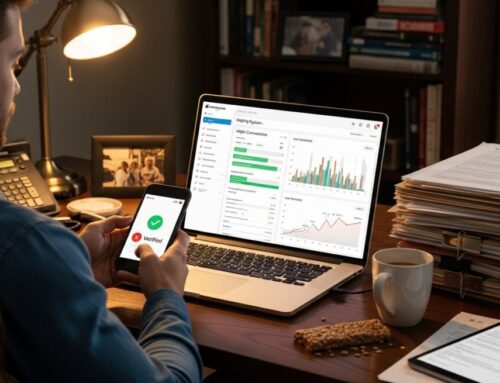
How to Generate Home Seller Leads Online: A Modern Strategy
In today’s digital-first real estate market, the ability to consistently generate home seller leads online is not just an advantage, it’s the fundamental skill separating thriving agents from those struggling to fill their pipeline. The old playbook of door-knocking and relying solely on sphere-of-influence referrals is no longer sufficient to scale a business. Modern sellers begin their journey with a search engine query, a social media scroll, or a review site check. Your online presence, therefore, must be a sophisticated, always-on lead generation engine designed to attract, engage, and convert motivated homeowners. This shift demands a strategic blend of targeted content, paid amplification, and systematic nurturing. Mastering this digital ecosystem allows you to build a predictable, scalable source of seller appointments, transforming your business from reactive to proactive.
Building Your Foundational Online Presence
Before launching complex campaigns, your digital foundation must be solid. A shaky online presence undermines every marketing dollar and content effort. This foundation consists of three core, non-negotiable elements: a professional website, optimized local business listings, and a credible review portfolio. Your website is your 24/7 digital office and listing presentation tool. It must be fast, mobile-responsive, and designed with the seller’s journey in mind. This means clear navigation, prominent contact options, and dedicated pages that speak directly to a homeowner’s questions about market value, the selling process, and your unique value proposition.
Equally critical is your visibility on the platforms where sellers conduct local research. This goes beyond a basic Google Business Profile. You need fully optimized, consistent profiles on Zillow, Realtor.com, Facebook, and Nextdoor. Inconsistencies in your business name, phone number, or address across these platforms erode trust and confuse search algorithms. Your Google Business Profile, in particular, is a powerhouse for local SEO. Regularly updating it with posts, photos, and seller-focused content can significantly boost your visibility in “realtor near me” and “sell my home [City]” searches. This foundational work ensures that when your other lead generation efforts drive traffic, you have a professional and trustworthy destination ready to convert.
Content Marketing: Attracting Sellers with Value
Content is the cornerstone of attracting, rather than chasing, home seller leads. By creating and distributing valuable, relevant information, you position yourself as the local market expert before a homeowner even decides to list. This strategy builds know-like-trust factor at scale. The key is to anticipate and answer every question a potential seller might have. This creates a comprehensive resource hub that search engines love and homeowners find indispensable.
Educational Blog Posts and Market Reports
Develop a blog strategy focused on seller education. Topics should include home preparation tips, explanations of the selling process, discussions on market trends, and analyses of your local neighborhood dynamics. A highly effective format is the hyper-local market report. Instead of generic national data, provide monthly or quarterly insights on your specific zip codes or subdivisions: average days on market, list-to-sale price ratios, and inventory levels. This demonstrates your finger-on-the-pulse expertise. For a parallel strategy focused on the other side of the transaction, our guide on how to generate home buyer leads online explores similar content principles tailored to attracting purchasers.
Video and Visual Content
Video is an unparalleled tool for connection and demonstration. Create short, informative videos answering common seller questions. Film walkthroughs of your staged listings to show your marketing prowess. Host live Q&A sessions on Facebook or Instagram about the local market. Video content often earns higher engagement on social platforms and can be repurposed across your website and email campaigns. The goal is to let your personality and professional knowledge shine, making a homeowner feel comfortable with you before the first meeting.
Strategic Paid Advertising for Immediate Results
While organic content builds long-term authority, paid advertising allows you to target specific seller segments with precision and generate leads on a predictable timeline. The two most powerful platforms for real estate lead generation are Facebook/Instagram and Google. Facebook’s strength lies in its detailed targeting capabilities. You can create ads aimed at homeowners in specific neighborhoods, those who are likely to be “empty nesters,” or people who have recently engaged with home improvement content. These ads can promote your free home valuation tool, a seller’s guide eBook, or an invitation to a virtual seller seminar.
Google Ads, particularly through Search campaigns, capture high-intent sellers actively looking for information. You bid on keywords like “what is my home worth,” “sell my house fast [City],” or “best real estate agent to sell my home.” When someone searches these terms, your ad appears. The landing page for these ads is critical: it must be directly relevant to the search query and have a single, clear call-to-action, such as requesting a Comparative Market Analysis (CMA). To ensure your advertising budget is spent wisely, it’s crucial to understand how to find affordable home seller leads that actually convert, focusing on cost-per-lead and quality metrics.
When structuring your paid campaigns, consider the following key elements for success:
- Audience Segmentation: Create separate ad sets for different seller personas (e.g., downsizers, relocating families, inherited property owners).
- Compelling Offer: Lead with value. A free, no-obligation CMA is the industry standard, but consider bundled reports or video consultations.
- Retargeting: Implement pixels to follow up with website visitors who didn’t convert, reminding them of your expertise.
- A/B Testing: Continuously test different ad images, headlines, and copy to improve click-through and conversion rates.
- Tracking and Analytics: Use conversion tracking to see exactly which ads and keywords lead to form submissions and appointments.
This data-driven approach allows you to double down on what works and eliminate wasted spend, creating a self-optimizing lead generation system.
Lead Capture and Nurturing Systems
Generating a click or a website visit is only the first step. The true engine of online lead generation is your system for capturing contact information and methodically nurturing that relationship until the prospect is ready to list. This requires strategic tools and disciplined follow-up. Every piece of high-value content you create should be gated behind a simple form. This turns your blog, videos, and ads into lead capture machines. The form should ask for minimal information (typically name, email, property address) to reduce friction.
Once captured, leads enter an automated email nurture sequence, often called a drip campaign. This is not a series of bland newsletters. It’s a structured, value-driven journey designed to educate the seller and build your credibility. A typical sequence might start with an immediate delivery of the promised resource (like the CMA report), followed by emails over the next few weeks that cover staging tips, explain the marketing process, share client success stories, and finally, invite a one-on-one consultation. The tone should be helpful, not salesy. The goal is to stay top-of-mind and demonstrate your expertise so thoroughly that when they decide to sell, you are the obvious choice.
This nurturing process is where many agents fail. They collect leads but lack the consistency to convert them. Using a Customer Relationship Management (CRM) system is non-negotiable for managing these sequences, setting follow-up tasks, and tracking lead source and engagement. Remember, many sellers have a 6,12 month planning horizon. Your system must maintain a warm, professional relationship over that entire period. For agents considering supplementing their organic efforts with purchased leads, a disciplined nurturing system is even more vital, as outlined in a strategic guide to buying home seller leads for realtors.
Leveraging Social Proof and Community Engagement
In an industry built on trust, social proof is your most powerful currency. Positive reviews, testimonials, and visible community involvement provide the third-party validation that closes the credibility gap for online prospects. Actively solicit reviews from past clients on Google, Zillow, and Facebook. Showcase these testimonials prominently on your website and in your marketing materials. Video testimonials are particularly impactful. Furthermore, genuine engagement in local community groups on Facebook or Nextdoor positions you as a neighborhood insider, not just a salesperson. Answer real estate questions, congratulate neighbors on local events, and share community news. This organic engagement makes you the familiar, go-to expert when selling needs arise.
Frequently Asked Questions
What is the most cost-effective way to start generating home seller leads online?
Focus first on perfecting your foundational presence (website, Google Business Profile) and creating 3-5 cornerstone pieces of educational content (e.g., a local market report, a home preparation checklist). Then, allocate a small budget to Facebook lead ads targeting a specific neighborhood you know well. This combines organic credibility with low-cost, targeted reach.
How long does it take to see results from online lead generation?
Paid advertising can generate leads within days. Organic strategies like SEO and content marketing typically take 3-6 months to gain significant traction but build lasting, sustainable authority. A blended approach is ideal for both immediate and long-term pipeline growth.
What’s the biggest mistake agents make when trying to get leads online?
The most common mistake is a “set it and forget it” mentality. Online lead generation is not a one-time campaign, it’s an ongoing system. It requires consistent content creation, ad optimization, and, most importantly, immediate and persistent lead nurturing. Failing to follow up quickly is the fastest way to waste marketing dollars.
How much should I budget for online lead generation?
Budget is highly variable, but a common guideline is 10-20% of your desired gross commission income. Start small, track your cost-per-lead and cost-per-appointment meticulously, and scale what works. Remember, your budget includes both ad spend and the tools needed (CRM, website, design software).
Can I really compete with large teams and brokerages online?
Absolutely. In fact, a solo agent or small team can often be more agile and personal in their online messaging. You can dominate hyper-local niches, create deeply personal content, and build community connections that large, impersonal franchises cannot replicate. Focus on your specific farm area or specialty to win.
The journey to master online lead generation is iterative. It requires testing, measuring, and refining. Start by auditing your current digital footprint, then build out one channel at a time. Commit to providing undeniable value in every piece of content and every interaction. By systematically implementing these strategies, you transform your online presence from a digital business card into a reliable, high-performance engine that consistently delivers motivated home seller leads, ensuring your business thrives in any market condition.
About the Author: Evander Slate

Related Posts