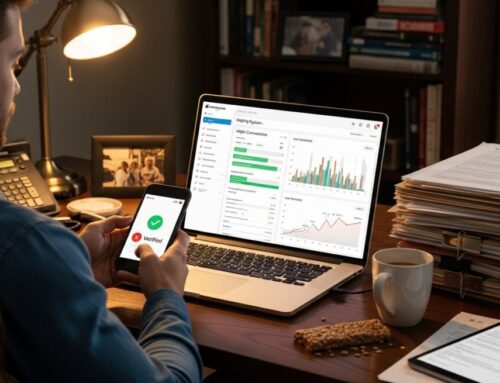
How to Generate and Convert Online Home Seller Leads in 2026
In today’s digital real estate market, the ability to consistently attract and convert online home seller leads is the defining line between a thriving business and a stagnant one. The internet has fundamentally shifted how homeowners begin their selling journey, making a robust online lead generation strategy not just an advantage, but a necessity. This comprehensive guide moves beyond basic concepts to provide a detailed framework for building a sustainable pipeline of motivated sellers, nurturing them effectively, and closing more listings.
Understanding the Modern Home Seller’s Digital Journey
The journey of a potential seller now starts long before they ever speak to an agent. They research market values anonymously, read reviews about local real estate professionals, and consume content about home preparation and the selling process. Your goal is to be present and authoritative at every stage of this invisible journey. This means your strategy for online home seller leads must be multi-faceted, targeting homeowners in various states of readiness, from those just curious about value to those urgently needing to sell. Recognizing this spectrum is crucial for tailoring your messaging and offers.
A common mistake is treating all leads the same. A homeowner who filled out a form for a free comparative market analysis (CMA) is at a different stage than one who searched “sell my house fast in [City].” Your systems must identify and segment these intents. The first requires education and trust-building, while the second needs immediate, confident consultation. By mapping your content and follow-up to this journey, you increase conversion rates dramatically and build a reputation as a knowledgeable resource, not just a salesperson.
Building Your Lead Generation Engine: Core Channels and Tactics
Effective lead generation is not about chasing every new platform, it’s about mastering a few key channels that align with where your target sellers are searching. A scattered approach drains resources. A focused one builds momentum. The following core channels, when executed with depth, form a powerful engine for attracting online home seller leads.
Strategic Content and Search Visibility
Content marketing is the cornerstone of attracting early-stage sellers. By creating valuable, search-optimized content that answers their questions, you position yourself as the local expert. This goes beyond simple blog posts. Think comprehensive guides on topics like “Preparing Your Home for a Sale in a Shifting Market,” neighborhood-specific market reports, and video walkthroughs of your staging process. Each piece should be designed to capture interest and provide a clear next step, such as downloading a more detailed guide or signing up for a personalized report. This approach builds a library of assets that work for you 24/7, pulling in leads through organic search.
Paid Advertising with Precision Targeting
While organic content builds long-term authority, paid advertising accelerates lead flow. The key is precision. Platforms like Facebook, Instagram, and Google Ads allow you to target homeowners with incredible specificity: by home value, equity, age of mortgage, and even life events that often precede a sale (like a change in marital status or a new school district search). Instead of generic “I sell houses” ads, create offers that solve specific problems. For example, target homeowners in zip codes with rising inventory with an ad about “standing out in a competitive market.” A well-structured paid campaign delivers a steady stream of online home seller leads, but its success hinges on compelling offers and flawless landing page conversion. For a deeper dive into evaluating these channels, consider reviewing a strategic guide to buying home seller leads, which breaks down cost analysis and source quality.
Leveraging Social Proof and Local SEO
When a homeowner considers reaching out, they will vet you online. Your Google Business Profile is often the first stop. Ensure it is packed with recent, positive reviews from past sellers, high-quality photos of your listings, and prompt responses to questions. Local SEO ensures you appear in “realtor near me” or “sell my home [City]” searches. This involves consistent Name, Address, and Phone number (NAP) citations across directories, creating location-specific pages on your website, and earning backlinks from local community sites. Social proof, in the form of video testimonials and case studies, reduces perceived risk and makes that initial contact much more likely.
The Conversion System: From Lead to Listed Client
Generating the lead is only half the battle. A leaky follow-up system is the most expensive mistake in real estate. Conversion requires a structured, multi-touch process that builds rapport and demonstrates value quickly.
First, speed is non-negotiable. Contacting a lead within the first five minutes versus thirty minutes can increase your conversion likelihood exponentially. Implement instant automated responses (a personalized text or email confirming their request) followed by a personal phone call. Your initial conversation should focus on diagnosing their needs, not pitching your services. Ask probing questions about their timeline, motivations, and concerns.
Second, provide immediate value before asking for anything. If they requested a CMA, don’t just email a PDF. Schedule a brief video call to walk them through the data, highlighting key comparables and your insights on pricing strategy. This consultation demonstrates expertise and starts the relationship on a collaborative foot. A dedicated lead nurturing system is essential for leads who aren’t ready to act immediately, using email sequences to deliver continued value and keep you top-of-mind.
To truly excel, your approach must be systematic. Here is a proven follow-up framework for new online home seller leads:
- Instant Acknowledgment (< 5 min): Send a personalized text and email thanking them for the inquiry and setting a clear expectation ("I'll review the data for your area and call you at 3 PM today").
- Value-First Contact (Within 1 hour): Conduct a consultative call. Listen 70%, talk 30%. Aim to schedule a next step, like a full presentation.
- Detailed Presentation (Within 24-48 hours): Deliver a custom listing presentation, either in-person or via video, that addresses their specific goals and market context.
- Persistent Nurture (30-60 days): For leads not yet ready, enroll them in a nurture sequence with market updates, seller tips, and success stories.
This process transforms a cold inquiry into a warm relationship. It’s also critical to track which lead sources produce clients, not just leads. Analyzing your cost per acquisition from each channel allows you to double down on what works and cut what doesn’t, a practice detailed in resources about lead acquisition cost analysis for real estate professionals.
Measuring Success and Optimizing Your Funnel
You cannot improve what you do not measure. Key performance indicators (KPIs) for your online home seller lead strategy must go beyond lead count. Track metrics that indicate health and profitability: cost per lead, lead-to-appointment conversion rate, appointment-to-listing conversion rate, and ultimate cost per acquired listing client. By understanding these numbers, you can identify bottlenecks. Is your cost per lead low but your lead-to-appointment rate also low? The issue may be your landing page or initial offer quality. Are you getting appointments but not closing listings? Your presentation or pricing consultation may need refinement.
Use a customer relationship management (CRM) tool religiously to track all interactions and set reminders for follow-up. Test different variables in your funnel: try new ad headlines, different lead magnet offers (e.g., a “Home Sale Prep Checklist” vs. a “Net Proceeds Calculator”), or various email subject lines in your nurture sequences. Continuous, data-driven optimization is what separates a hobbyist from a professional. For agents seeking the highest intent leads, understanding the nuances of exclusive home seller leads can provide a significant edge in a competitive landscape.
Frequently Asked Questions
What is the most cost-effective way to start generating online home seller leads?
For most agents, a combination of hyper-local content marketing (optimizing your website and profile for your neighborhood) and highly targeted Facebook ads based on homeowner equity or property characteristics offers the best balance of cost and control. It builds organic assets while testing paid demand.
How quickly should I follow up with a new lead?
Immediately. The ideal window is under 5 minutes. Use automation for instant acknowledgment and then make a personal phone call within the first hour. Speed signals responsiveness and dramatically increases engagement.
What is the biggest mistake agents make with online leads?
Treating them like a transaction. The goal of the first contact is not to get the listing, but to build rapport and provide value. Leads are often wary of sales pressure; a consultative, educational approach builds the trust necessary to win the business.
How much should I budget for paid lead generation?
This varies widely, but a common guideline is to allocate 10-20% of your desired gross commission income to marketing. Start small, track your cost per acquired client (not just per lead), and scale the channels that deliver a positive return on investment.
Can I buy online home seller leads instead of generating them myself?
Yes, purchasing leads from a specialized vendor is a valid strategy to supplement your efforts. However, due diligence is critical. You must vet the source for lead quality, exclusivity, and verification processes. The cheapest leads are often the most expensive in wasted time.
The landscape for connecting with sellers is perpetually evolving, but the fundamental principles remain: provide exceptional value at the right point in the homeowner’s journey, systematize your follow-up with genuine care, and relentlessly measure and refine your process. By mastering the generation and conversion of online home seller leads, you secure not just your next listing, but the foundation for long-term, predictable business growth. The tools and channels will change, but the agent who solves problems and guides with expertise will always be in demand.
About the Author: Thalia Everwyn

Related Posts