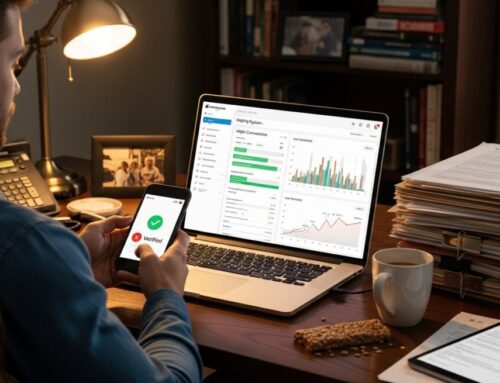
How to Generate and Convert Home Selling Leads in 2026
In the competitive world of real estate, your success is directly tied to the quality and quantity of your home selling leads. These are not just names and phone numbers, they are potential clients actively considering selling their most valuable asset. The landscape for acquiring these leads has shifted dramatically, moving beyond traditional yard signs and cold calls into a sophisticated digital ecosystem. Mastering this new environment requires a strategic blend of online presence, targeted marketing, and systematic conversion processes. This guide provides a comprehensive framework for agents, brokers, and lenders to build a sustainable pipeline of motivated sellers.
Understanding the Modern Home Selling Lead
A home selling lead is an individual or household that has expressed some level of interest in selling their property and has provided contact information. The critical distinction lies in their source and intent. A lead from a paid online form indicating a desired sale timeline is fundamentally different from a name gathered at an open house. Modern leads are often generated through digital channels where they self-identify their intent, providing you with crucial data points like estimated home value, moving timeline, and reason for selling before you even make first contact. This shift empowers agents to prioritize and personalize their outreach from the very first touchpoint.
The psychology of a seller lead is also distinct from a buyer lead. Sellers are often emotionally attached to their property, concerned about net proceeds, and anxious about the process. Your lead generation and nurturing systems must address these core concerns upfront. Effective content and offers should speak to equity, market timing, and simplifying a complex life event. Understanding this mindset is the first step in crafting messages that resonate and convert.
Building a Multi-Channel Lead Generation Engine
Relying on a single source for home selling leads is a high-risk strategy. A robust approach involves cultivating several channels that work in concert. This not only diversifies your lead flow, protecting you from algorithm changes or market shifts in one area, but also allows you to reach different segments of potential sellers. Your goal is to create multiple entry points into your sales funnel.
Digital Advertising and Paid Acquisition
Platforms like Facebook, Instagram, and Google Ads offer unparalleled targeting capabilities for reaching homeowners. You can target by location, home value, age of mortgage, and even life events (like a new child, which might indicate needing more space). The key is to offer high-value, low-commitment lead magnets. A free, instant home valuation report (automated estimate) or a guide titled “5 Costly Mistakes to Avoid When Selling Your Home” are effective offers that capture contact information. These campaigns require careful tracking of cost per lead and return on investment, a topic explored in our resource on lead acquisition cost analysis for optimal budgeting.
Content Marketing and SEO
By creating helpful, authoritative content around the home selling process, you attract organic traffic from search engines. This builds long-term credibility and generates leads who are already primed to see you as an expert. Focus on blog posts, videos, and local landing pages that answer common seller questions: “What is my home worth in the current market?”, “How do I prepare my home for sale?”, “What are the hidden costs of selling?” Optimizing this content for local search terms (e.g., “sell my home in [Your City]”) is crucial. This organic strategy complements paid efforts by building a sustainable foundation of trust.
Referral and Community Networks
Never underestimate the power of your existing sphere. Past clients, professional contacts (like mortgage lenders and attorneys), and community involvement are fertile ground for home selling leads. Implement a structured referral program and maintain consistent, valuable communication with your network. A simple, educational newsletter with market updates can keep you top-of-mind when a friend or family member considers selling. This channel typically yields the highest conversion rate and requires a dedicated lead nurturing system to maintain those relationships effectively.
The Lead Conversion Funnel: From Inquiry to Listing
Generating a lead is only the beginning. A systematic conversion process is what separates top producers from the rest. The moment a lead comes in, a clock starts ticking. Speed and relevance of response are paramount. Studies show contacting a lead within five minutes versus thirty minutes increases contact rates exponentially.
Your conversion funnel should have clear stages: Initial Contact & Qualification, Consultation & Relationship Building, Proposal & Agreement, and Active Client. At each stage, you must provide specific value and gather information to advance the lead to the next step. The initial phone call or email should not be a sales pitch, but a diagnostic conversation to understand their motivation, timeline, and concerns. This consultative approach builds the trust necessary for them to choose you as their agent.
Many agents struggle with the follow-up process, letting potentially good leads go cold. Persistence paired with valuable touchpoints is key. If a lead isn’t ready to sell for six months, they should be entered into a monthly nurturing sequence with market updates and selling tips. Technology, like a Customer Relationship Management (CRM) system, is non-negotiable for managing this process at scale. It ensures no lead falls through the cracks and allows for personalized, automated follow-up. For more on structuring this outreach, review these proven ways to generate and nurture leads which share overlapping principles with seller lead conversion.
Leveraging Technology and CRM Systems
To manage a high volume of home selling leads efficiently, you must leverage the right technology. A powerful CRM is the central nervous system of your lead generation and conversion efforts. It should track every interaction, automate email and text sequences based on lead behavior, and provide reminders for follow-up tasks. Look for a CRM with real estate-specific features, such as integrated property data, valuation tools, and transaction management capabilities.
Beyond the CRM, other technologies amplify your efforts. Email marketing platforms allow for segmentation and personalized campaigns. Scheduling tools make it easy for leads to book consultations directly on your calendar. Even AI-powered tools can now help draft personalized follow-up emails or analyze lead behavior to predict readiness. The goal is to automate administrative tasks so you can focus on high-touch, high-value conversations. A disciplined use of technology creates consistency and allows you to scale your operations without sacrificing the personal touch that wins listings.
Measuring Success and Optimizing Your Strategy
You cannot improve what you do not measure. Key performance indicators (KPIs) for your home selling lead strategy must be tracked relentlessly. Primary metrics include: Number of Leads Generated Per Month, Lead Source/Cost Per Lead, Initial Contact Rate, Consultation Booking Rate, and Overall Lead-to-Listing Conversion Rate. By analyzing this data, you can identify which channels are most profitable, where leads are falling out of your funnel, and what actions correlate most strongly with a signed listing agreement.
Regular optimization is required. If you find your cost per lead from social ads is too high, test new ad creatives or landing pages. If leads are booking consultations but not signing, review your consultation script and proposal process. This cycle of measurement, analysis, and adjustment turns your lead generation from a guessing game into a predictable engine for business growth. Allocate your time and budget to the strategies that deliver the highest return, and don’t be afraid to pivot away from tactics that are not working.
Frequently Asked Questions
What is the best source for high-quality home selling leads?
There is no single “best” source, as it varies by market and agent. However, a combination of referrals (highest intent), targeted digital advertising (scalable), and SEO/content marketing (sustainable) typically forms the most effective and resilient mix. The quality is often defined more by your follow-up system than the source itself.
How quickly should I follow up with a new lead?
Immediately. The ideal response time is under five minutes. The likelihood of making contact plummets after the first 30 minutes. Use automated text or email responses to acknowledge their inquiry instantly, then make a personal phone call as your very next action.
What should I offer to capture lead contact information?
Offer something of perceived high value that addresses a seller’s immediate curiosity or anxiety. Automated home valuation tools, comparative market analysis (CMA) previews, and educational guides (e.g., “Pre-listing Home Preparation Checklist”) are consistently effective.
How many touches does it take to convert a lead?
Conversion often requires 8-12 meaningful touches. Most agents give up after 1-2 attempts. Persistence through a multi-channel follow-up plan (phone, email, text, social) is critical. The touches should provide value, not just ask for business.
Can I buy home selling leads from a list provider?
Yes, but be cautious. Purchased lists are often cold data with no expressed intent to sell. They require a different, broader marketing approach (like direct mail or cold calling) and typically have much lower conversion rates than leads generated from your own marketing efforts where the seller has raised their hand.
Mastering the art and science of home selling lead generation is an ongoing process of adaptation and refinement. The market changes, technology evolves, and consumer behavior shifts. By building a diversified, systems-driven approach focused on providing genuine value at every stage, you create a predictable pipeline of opportunities. This transforms your business from one of constant prospecting into one of strategic conversion, where you spend your time working with motivated clients rather than searching for them. The consistent application of these principles will solidify your reputation and drive sustainable growth for years to come.
About the Author: Aria Nightwell

Related Posts