How to Generate and Convert Home Seller Leads in 2026
In the competitive world of real estate, a consistent pipeline of motivated home seller leads is the lifeblood of a thriving business. Yet, for many agents and brokers, generating these leads feels like a constant, uphill battle against market noise and digital saturation. The landscape is shifting: traditional methods like yard signs and generic mailers are no longer enough. Today’s successful agents build systematic, multi-channel strategies that attract sellers, build trust, and convert inquiries into signed listings. This comprehensive guide moves beyond basic tips to provide a deep-dive framework for acquiring, nurturing, and closing home seller leads, ensuring your efforts translate directly into listings and commissions.
Understanding Modern Seller Psychology and Intent
Before deploying any tactic, you must understand who you are trying to reach and what motivates them. A “home seller lead” is not a monolithic entity. Their urgency, motivation, and needs vary dramatically, and your approach must be equally nuanced. The most effective lead generation starts with intent-based segmentation. Some sellers are in a state of pre-contemplation, casually considering a sale in the next few years. Others are motivated by a life event, such as a job relocation or growing family, and have a tighter timeline. Then there are the distressed or highly motivated sellers facing foreclosure, divorce, or an inherited property they need to liquidate quickly.
Your messaging and channel selection must align with this intent. A broad Facebook ad might attract the curious pre-contemplator, while a targeted direct mail campaign to probate records or expired listings speaks directly to the highly motivated seller. The key is to qualify the lead’s motivation early. This isn’t about being pushy, it’s about being helpful. By asking the right questions about timeline, reason for selling, and property condition, you can immediately provide more relevant information and position yourself as the expert for their specific situation. This qualification process saves you immense time and allows you to focus your nurturing efforts on leads with the highest probability of closing.
Building a Multi-Channel Lead Generation Engine
Relying on a single source for home seller leads is a high-risk strategy. Market changes, algorithm updates, or increased competition can dry up that channel overnight. The solution is a diversified, omnichannel engine that works synergistically. This engine should combine digital marketing for broad reach and targeting with hyper-local, offline strategies that establish you as the neighborhood authority. The goal is to be everywhere your potential sellers are, providing value at each touchpoint.
A robust engine includes several core components. First, a professional, mobile-optimized website with dedicated seller pages, market reports, and a clear call-to-action for a home valuation is non-negotiable. This serves as your digital hub. Second, a content marketing strategy, through a blog or video channel, that addresses seller pain points, like “how to prepare your home for a spring market” or “understanding seller closing costs.” This builds SEO authority and trust. Third, a strategic social media presence, particularly on visual platforms like Instagram and Facebook, to showcase listings, share success stories, and run targeted ad campaigns. Fourth, a systematic approach to farming a specific geographic area or niche, using a mix of direct mail, local sponsorships, and community events. Finally, a disciplined follow-up system for referrals and past clients, your most valuable source of high-quality leads.
To maximize efficiency across these channels, it’s crucial to track your lead acquisition cost. Understanding which methods deliver the highest return allows you to optimize your budget and double down on what works. Our analysis on lead acquisition cost analysis provides a framework for calculating this critical metric for your real estate business.
The Art of the Lead Capture and Immediate Follow-Up
Generating interest is only half the battle. The moment a potential seller raises their hand, you have a narrow window to capture their information and initiate a conversation that builds rapport. Your lead capture mechanisms must be seamless and value-driven. Simply having a “Contact Us” form is insufficient. Instead, offer a specific, high-value asset in exchange for their contact details. The most powerful tool for this is a professional home valuation report, often called a Comparative Market Analysis (CMA). Market this not as a “free estimate” but as a “data-driven property valuation report.”
Once the lead is captured, speed is everything. Studies consistently show that contacting a lead within five minutes versus thirty minutes increases the likelihood of conversion exponentially. Your immediate follow-up should not be a generic “thank you for your inquiry” email. It should be a personalized, multi-touch sequence. For example, an instant automated email delivering the promised report, followed within minutes by a personal phone call or text message referencing the report. This demonstrates professionalism and urgency. Your first conversation should focus on understanding their needs, not pitching your services. Ask open-ended questions and listen actively. This consultative approach sets you apart from agents who immediately launch into a listing presentation.
Nurturing Leads into Listings with a Proven System
Not every home seller lead is ready to sign a listing agreement tomorrow. Many require nurturing, a process of building know-like-trust over time through consistent, valuable communication. This is where most agents fail, either by giving up too soon or by communicating sporadically without a clear strategy. A successful nurturing system is automated, personalized, and provides continuous value. It moves the lead through a journey from awareness to consideration to decision.
Effective lead nurturing for sellers often involves a mix of email sequences, retargeting ads, and periodic personal check-ins. Your email sequence should educate and inform. Share content about home staging tips, local market trends showing it’s a seller’s market, profiles of your past clients and their success stories, and explanations of your marketing plan for listings. The goal is to demonstrate your expertise and process before you ever meet in person. For leads that visited your valuation page but didn’t convert, use social media and display ad retargeting to keep your brand top-of-mind with reminders of the unique value you offer. Just as mortgage professionals must nurture their pipelines, real estate agents require disciplined systems. The principles outlined in our resource on effective lead nurturing systems are directly applicable to cultivating seller relationships.
Converting the Consultation into a Closed Listing
The culmination of your generation and nurturing efforts is the listing consultation. This meeting is your opportunity to solidify the relationship, demonstrate unmatched value, and secure the contract. Preparation is key. Before the meeting, conduct deep research on their property, the immediate comparable sales, and the neighborhood activity. Prepare a customized presentation booklet that includes your CMA, your marketing plan, your biography and sales statistics, and a clear explanation of your fees and services.
During the consultation, lead with data and empathy. Present your CMA confidently, explaining how you derived the recommended list price. Then, shift focus to your marketing plan. This is where you differentiate yourself. Detail every step: professional photography, 3D virtual tours, targeted digital advertising, open house strategy, and your negotiation plan. Address objections before they arise. Have a prepared response for questions about commission, listing duration, or why they should choose you over a discount broker. Your confidence and comprehensive plan will justify your value. Finally, ask for the business. Have the listing agreement ready, and be prepared to sign it then and there. A vague “I’ll get back to you” often leads to a lost listing.
Leveraging Technology and Data for a Competitive Edge
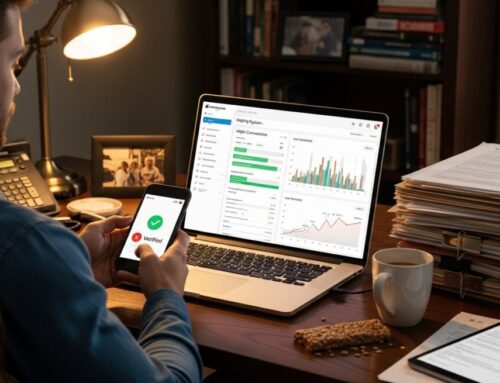
Modern lead generation and conversion are powered by technology. Leveraging the right tools is not an option, it’s a necessity for scale and efficiency. A powerful Customer Relationship Management (CRM) system is the central nervous system of your operation. It should track every interaction with a lead, automate follow-up sequences, and manage your pipeline. Integrated marketing automation platforms can tag leads based on their behavior, sending them specific content based on the pages they visited, such as information about downsizing or selling a rental property.
Data analytics provide the insights to refine your strategy. Use your website and social media analytics to see which content attracts the most seller leads. Track which lead sources have the highest conversion rate to listing. Use geographic farming tools to identify neighborhoods with high turnover rates or an influx of new listings, indicating a potential seller’s market. This data-driven approach allows for continuous optimization. Furthermore, exploring effective lead generation strategies from the mortgage sector can reveal cross-applicable tactics for targeting and engagement that can be adapted for real estate sellers.
Frequently Asked Questions
What is the most cost-effective source for home seller leads?
While costs vary by market, a combination of referrals from past clients and a hyper-local geographic farm often provides the highest ROI. These sources have built-in trust and lower competition than paid online leads. Investing in systems to systematically ask for referrals and consistently market to a specific neighborhood pays long-term dividends.
How long should I nurture a lead before giving up?
The nurturing timeline depends on the seller’s original motivation. A lead with a 6-month timeline should be nurtured for at least that long. Implement a long-term nurture sequence with monthly value-packed emails and semi-annual personal check-ins. Many listings are won by the agent who stayed in touch when the seller was finally ready.
Are paid online leads for sellers worth it?
They can be, but require careful vetting and realistic expectations. The key is to understand the lead source. Are they exclusive? What is the lead’s average intent level? Have a dedicated follow-up script and a strong immediate response system. Treat them as an introduction, not a guaranteed listing, and be prepared to work hard to build trust quickly.
How can I stand out to sellers in a crowded online space?
Develop a specific niche or unique value proposition. Become the local expert in selling historic homes, luxury properties, or homes for relocating families. Create deep, educational content that addresses complex seller issues. Your personal brand and demonstrated expertise will attract sellers looking for more than a generic agent.
What is the single most important metric to track for seller leads?
Conversion rate from lead to signed listing. Tracking this rate for each lead source (e.g., website CMA, social media ad, referral) tells you exactly where to invest your time and money. A high volume of leads means nothing if they don’t convert into business.
Mastering the flow of home seller leads is a dynamic process that blends human psychology, strategic marketing, and disciplined execution. It requires moving beyond sporadic efforts to implement a cohesive, repeatable system. By understanding seller intent, building a diversified generation engine, executing flawless follow-up, and nurturing with value, you transform your pipeline from a source of stress into a predictable driver of growth. The agents who thrive in the years ahead will be those who commit to this systematic approach, continuously adapting to new tools and consumer behavior while never losing sight of the personal connection that ultimately secures the listing.
About the Author: Liza Schubert

Related Posts