
How to Generate and Convert Online Home Buyer Leads in 2026
Transform your pipeline with a proven system for online home buyer leads. For a personalized consultation, call our experts at 510-663-7016.

By Cassian Holloway
In today’s digital real estate market, your pipeline’s health depends on a consistent, high-quality stream of prospects actively looking to purchase a home. The old methods of waiting for referrals or holding open houses are no longer sufficient for scalable growth. The modern agent or loan officer must master the art and science of attracting, capturing, and nurturing online home buyer leads. These are individuals who have moved beyond casual browsing and have taken a specific action online that signals serious intent, from filling out a contact form to requesting a property valuation. This comprehensive guide will walk you through a strategic framework for not just finding these leads, but systematically converting them into closed clients, ensuring your business thrives in a competitive landscape.
Understanding the Modern Online Home Buyer
Before investing in any lead generation tactic, you must understand who you are trying to reach. The contemporary home buyer begins their journey online, often months before speaking to an agent. They are researching neighborhoods, comparing mortgage rates, using online calculators, and consuming vast amounts of content. Their journey is non-linear, moving between search engines, social media, real estate portals, and lender websites. An online home buyer lead is captured when this anonymous research turns into an identified expression of interest. This could be a download of a first-time buyer guide, a saved search on your website, or a direct inquiry about a listing. The key is that they have voluntarily provided contact information, granting you permission to begin a conversation. Recognizing this intent-filled moment is the first step toward effective conversion.
Building a Foundation for Lead Generation
You cannot capture leads without a destination designed to convert visitors. Your digital foundation consists of a professional website, optimized landing pages, and a clear value proposition. Your website must be fast, mobile-responsive, and built with the user’s journey in mind. Each page should guide the visitor toward a logical next step, whether that’s viewing featured listings, using a mortgage calculator, or subscribing to your market updates. Crucially, you need dedicated landing pages for your lead generation campaigns. These are simplified pages focused on a single offer, such as a neighborhood report or a home affordability analysis, in exchange for an email address and phone number. Without these targeted pages, you are leaking potential leads. For a deeper dive into structuring these foundational elements, our strategic guide to home buyer leads for real estate agents outlines the essential components.
Content as Your Primary Magnet
High-quality, helpful content is the most sustainable way to attract qualified online home buyer leads. By answering the questions your ideal clients are asking, you position yourself as a trusted authority before they ever meet you. This content should address every stage of the buyer’s journey: awareness, consideration, and decision. For example, blog posts about “Top Schools in [Your City]” attract early-stage buyers, while detailed guides on “Understanding the Mortgage Underwriting Process” serve those in the consideration phase. Video content, such as virtual neighborhood tours or explainers on closing costs, is exceptionally effective. The goal is to become the go-to resource in your niche, so when a prospect is ready to take action, you are the obvious choice. This approach to content marketing is a core component of a robust lead nurturing system.
Strategic Channels for Acquiring Leads
With a solid foundation in place, you can deploy targeted tactics across several key channels. A multi-channel approach diversifies your lead sources and increases overall volume. The most effective channels include search engine marketing (SEO and PPC), social media advertising, and partnerships with real estate portals.
Paid search ads (Google Ads) allow you to appear at the very moment someone searches for terms like “homes for sale in [city]” or “first-time home buyer loan.” This captures high-intent leads but requires careful budget and keyword management. Organic search (SEO) is a longer-term play, focusing on ranking your content for these same terms to generate free, consistent traffic. Social media platforms, particularly Facebook and Instagram, offer powerful targeting based on demographics, interests, and behaviors, such as targeting people who have recently engaged with real estate brand pages. To maximize the return from these channels, a thorough lead acquisition cost analysis is non-negotiable, ensuring your spend translates to profitable conversions.
When evaluating channels, consider the following key metrics for each:
- Cost Per Lead (CPL): The total ad spend divided by the number of leads generated.
- Lead Quality Score: A subjective rating of how well the lead matches your ideal client profile.
- Conversion Rate to Appointment: The percentage of leads who agree to a phone or in-person consultation.
- Time to First Contact: The speed at which you can follow up, which drastically impacts conversion.
The Critical Follow-Up and Nurturing System
Generating the lead is only half the battle. The majority of online home buyer leads will not be ready to buy immediately. According to industry data, less than 10% of new leads are ready to transact within 90 days. This makes your follow-up and nurturing process the most important part of your strategy. Speed is paramount. You must contact a new lead within minutes, not hours. The first contact should be personalized, referencing the specific content or property they inquired about. After the initial contact, leads must be entered into a structured nurturing sequence. This is typically managed through a Customer Relationship Management (CRM) system and email marketing automation.
A basic nurturing sequence might look like this: Day 1: Welcome email with additional valuable resource. Day 3: Case study or client success story. Day 7: Invitation to a webinar on home buying tips. Day 14: Personalized market update for their desired neighborhood. This consistent, value-driven communication keeps you top-of-mind and builds trust until the lead is sales-ready. Without this system, even the most expensive leads will grow cold. For a complete framework on developing this process, explore our guide on exclusive home buyer leads and strategic real estate growth.
Measuring Success and Optimizing Your Funnel
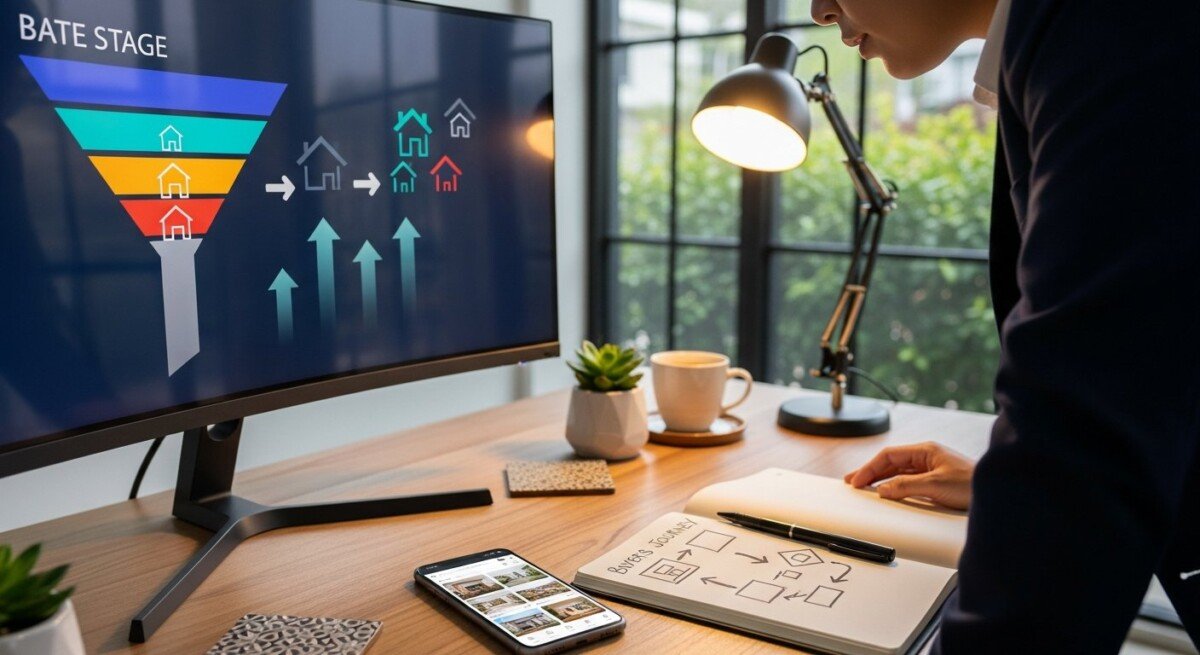
To improve your results, you must measure everything. Key performance indicators (KPIs) will tell you what’s working and where you are leaking leads. Focus on a small set of metrics that directly relate to your business goals. Track the volume of leads from each source, as well as their cost. More importantly, track what happens after you get the lead. How many become contacts? How many schedule consultations? What is your ultimate closing percentage? By analyzing this funnel, you can identify bottlenecks. For instance, if you get many leads but few appointments, your landing page offer might be attracting unqualified people, or your follow-up script may need refinement. If you get appointments but few closes, your sales process or qualification criteria may need adjustment. Continuous optimization based on data is what separates top performers from the rest.
Frequently Asked Questions
What is the best source for online home buyer leads?
There is no single “best” source. The most effective approach combines organic search (SEO) for sustainable, low-cost leads and targeted paid advertising (like PPC or social media) for immediate volume. The best source is the one that provides a positive return on investment (ROI) for your specific market and budget.
How quickly should I follow up with a new online lead?
Immediately. Studies show that contacting a lead within 5 minutes versus 30 minutes increases the likelihood of conversion by multiples. The first responder often wins the client. Use automated text or email alerts to ensure no lead sits unattended.
What is a reasonable cost per lead (CPL) for home buyers?
CPL varies wildly by location, competition, and lead quality. Nationally, costs can range from $20 to $150+ per lead. A “cheap” lead is not a bargain if it never converts. Focus on the cost per acquisition (CPA), or the total cost to gain a closed client, which is a more valuable metric.
How can I improve the quality of my leads?
Lead quality starts with your targeting and offer. Use more specific keywords and ad targeting (e.g., “jumbo loan requirements” vs. “mortgage”). Create offers that require more commitment, like a detailed home valuation report, which tends to attract more serious sellers and buyers than a generic newsletter signup.
Do I need a CRM for managing online home buyer leads?
Absolutely. A CRM is not optional for professional lead management. It automates follow-up sequences, organizes client data, tracks interactions, and provides analytics. It ensures no lead falls through the cracks and scales your nurturing efforts.
Mastering online home buyer leads is a continuous process of attracting, engaging, and converting. It requires a strategic blend of marketing, technology, and relentless follow-up. By building a strong digital foundation, creating valuable content, deploying targeted ads, and implementing an ironclad nurturing system, you transform random inquiries into a predictable pipeline of future clients. The tools and channels will evolve, but the fundamental principle remains: provide exceptional value at every touchpoint, and the leads will not only come, they will convert.